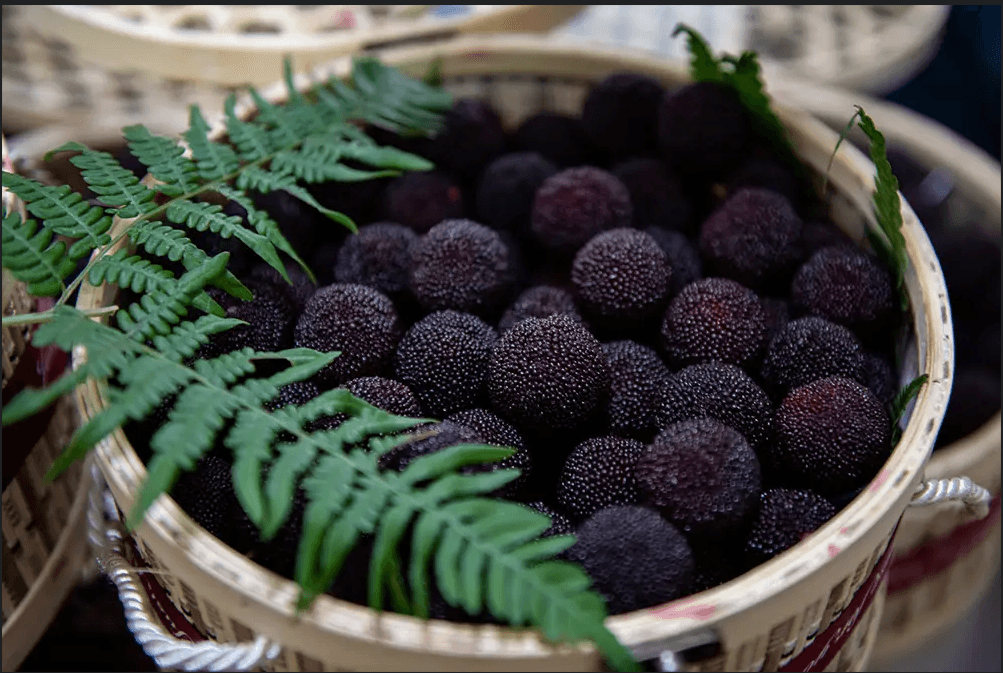
How to get a China sourcing insight from Yangmei - a small, round, red fruit native to East Asia.
Yuyao City in Ningbo is known as the "Hometown of Yangmei."
During the short Yangmei season in mid-June, small farmers create concentrated roadside markets along major roads.
Picture this: dozens of vendors lined up, each with:
Small pickup trucks or tricycles loaded with fresh Yangmei in plastic baskets
Nearly identical setups with white foam boxes to keep the fruit cool
Hand-written signs promoting "Authentic Yuyao Yangmei"
Yangmei is incredibly perishable—it only lasts 1-2 days after picking—so farmers need to move it fast.
By clustering together along high-traffic routes, they create a visible "Yangmei corridor" that signals to passing drivers: "fresh Yangmei here!"
The concentration of sellers benefits buyers as they can compare quality and prices across multiple vendors before making bulk purchases. So having options in one place drives more business for all.
𝐓𝐡𝐞 𝐒𝐮𝐩𝐩𝐥𝐲 𝐂𝐡𝐚𝐢𝐧 𝐋𝐞𝐬𝐬𝐨𝐧:
This same clustering principle drives China's manufacturing ecosystem. Manufacturers in the same location cluster and create efficient supply ecosystems.
Upstream raw material and component suppliers cluster in the same area, also driving down costs through economies of scale and supply chain efficiencies.
The result?
The region becomes a competitive source for specific products or manufacturing types.
𝐓𝐡𝐞 𝐓𝐚𝐤𝐞𝐚𝐰𝐚𝐲 𝐟𝐨𝐫 𝐒𝐨𝐮𝐫𝐜𝐢𝐧𝐠 𝐏𝐫𝐨𝐟𝐞𝐬𝐬𝐢𝐨𝐧𝐚𝐥𝐬:
Before kicking off a sourcing project, think about the commodity you're working with and research the geographic manufacturing clusters that specialise in it.
Understanding where these clusters are located will save you time and help you zero in on suppliers in the areas most likely to deliver the best results.
supply chain
How to get a China sourcing insight from Yangmei - a small, round, red fruit native to East Asia.
The humble Yangmei shows the power of understanding China supply clusters.
IAA
In Asia Advantage
Author